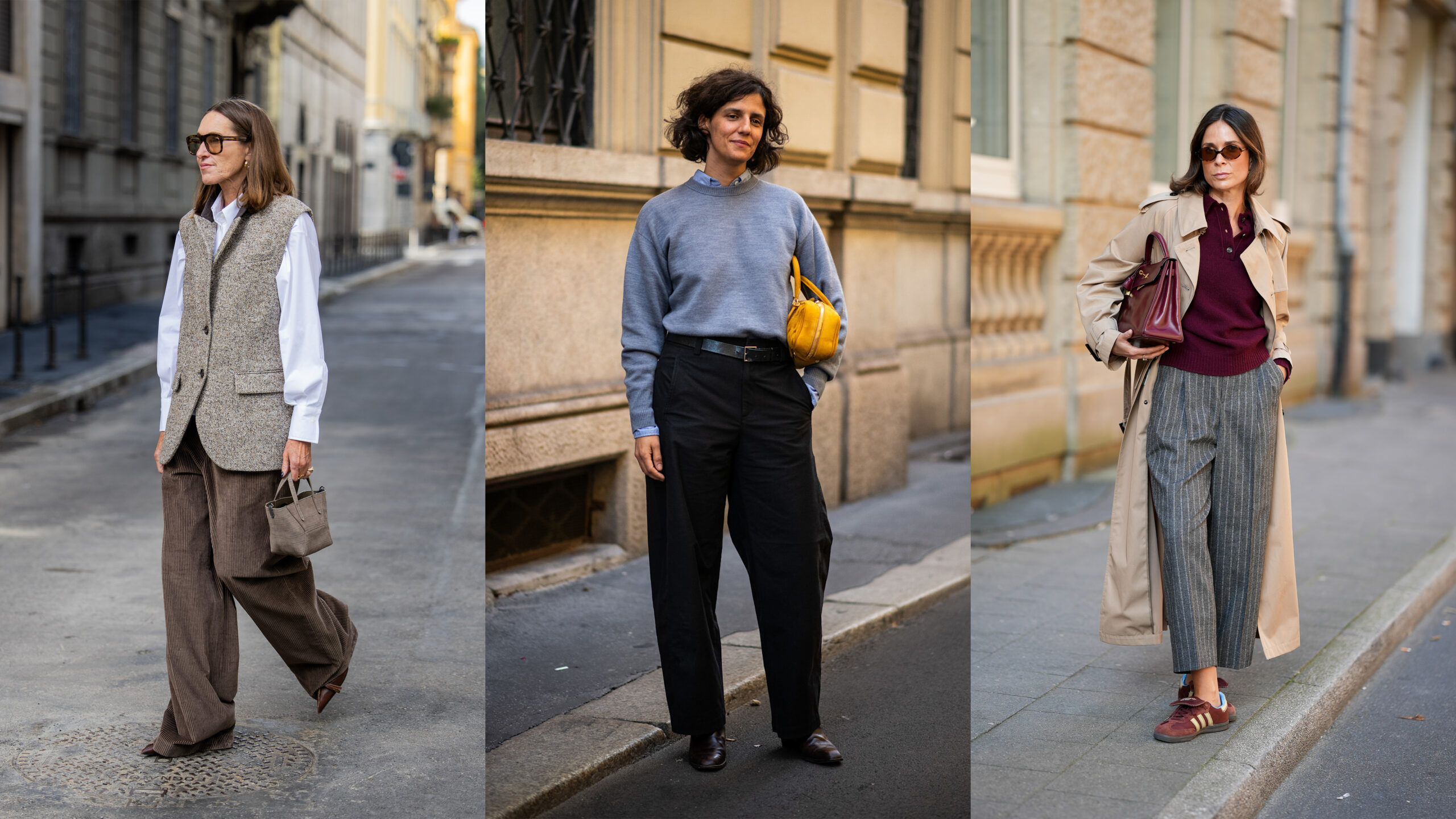
Not everyone enjoys fashion. For many, trends feel exhausting, shopping feels overwhelming, and style advice sounds performative rather than practical. Yet clothing remains unavoidable. Anti-trend dressing exists for this exact reason. It offers a way to dress well without chasing seasonal changes, influencer rules, or aesthetic pressure.
This approach values function, longevity, and personal comfort over trend cycles. It does not reject style—it rejects noise. This guide explains how anti-trend dressing works, who it suits best, and how to build a wardrobe that supports your life instead of complicating it.
Anti-trend dressing does not mean dressing poorly or without intention. It means opting out of fashion’s constant demand for novelty. People who follow this approach choose clothing that remains relevant regardless of what dominates runways or social media.
At its core, anti-trend dressing focuses on:
This mindset aligns with practical decision-making and long-term thinking, especially for people who value efficiency.
Fashion often communicates urgency. New drops, micro-trends, and constant updates create pressure to participate. For people who prefer stability, this cycle feels unnecessary and mentally draining.
Common reasons people disengage from fashion include:
Anti-trend dressing removes emotional pressure and reframes clothing as a supportive tool rather than a social signal.
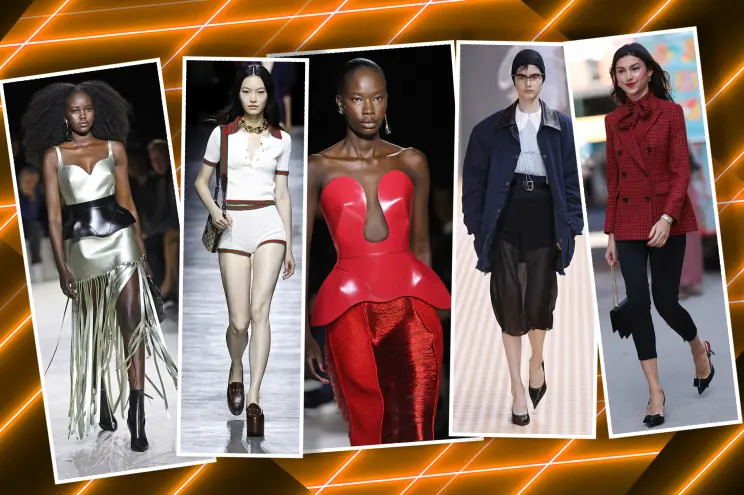
Psychologically, trend rejection often reflects self-trust. People who dress without referencing trends rely more on internal cues than external approval. This mindset reduces anxiety and improves satisfaction with choices.
Studies on decision behavior suggest that fewer variables lead to higher confidence. Anti-trend dressers reduce variables intentionally. They simplify not because they lack taste, but because they value clarity.
This approach aligns strongly with leadership, technical professions, and creative roles where mental energy matters more than visual novelty.
Anti-trend style does not follow a single aesthetic. It appears different depending on climate, profession, and lifestyle. However, common characteristics exist.
Most anti-trend wardrobes include:
The goal stays the same: clothing should disappear into daily life, not demand attention.
Instead of mood boards or trend forecasts, anti-trend dressing begins with lifestyle analysis. Consider how you spend your days, what environments you move through, and what clothing supports those activities.
Ask practical questions:
Clothing that answers these questions correctly becomes timeless by default.
Fabric quality matters more than visual appeal. Natural fibers like cotton, wool, and linen age better and feel more predictable over time. Synthetic blends may serve specific functions but often sacrifice long-term comfort.
Anti-trend dressing favors garments that improve—or at least remain stable—with wear.
Uniform dressing represents the extreme end of anti-trend philosophy. It involves wearing variations of the same outfit daily. This approach eliminates daily decision-making while maintaining a consistent personal image.
Famous examples exist, but uniform dressing works best for ordinary life when adapted gently. Repeating silhouettes rather than identical outfits keeps flexibility intact.
Uniform dressing supports:
Intentional shopping means purchasing only when a real need exists. Anti-trend shoppers avoid browsing for entertainment and shop with clear criteria.
Tools like CouponNvoucher help reduce cost without increasing impulse, especially when used with a predefined list. Revisiting CouponNvoucher during planned purchases supports value-based decisions rather than emotional ones.
Comparison should inform, not overwhelm. Platforms such as RetialEscaper help analyze pricing and quality efficiently. Returning to RetialEscaper over time allows pattern recognition, which builds confidence in long-term brand choices.
Fit determines whether clothing supports or distracts you throughout the day. Anti-trend dressers prioritize fit because it affects posture, comfort, and confidence more than design details.
Well-fitting basics often outperform trendy garments because they:
Tailoring a few core pieces often delivers more value than buying multiple trend-driven items.
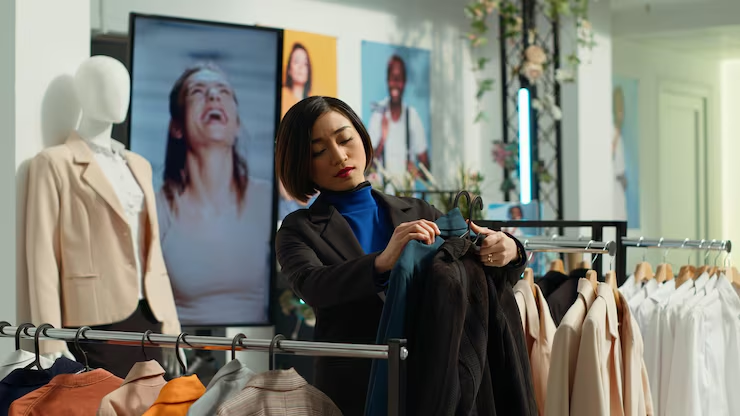
Reviews serve a functional purpose for anti-trend shoppers. They provide insight into durability, sizing accuracy, and fabric behavior over time.
Reading on platforms like RetailsReview helps filter marketing language from real-world performance. Returning to RetailsReview before repeat purchases strengthens decision accuracy without encouraging overconsumption.
Anti-trend dressing naturally supports sustainability. Fewer purchases, longer use cycles, and intentional care reduce waste without requiring ideological commitment.
This approach does not demand perfection. It encourages moderation. By buying less and wearing more, environmental impact decreases organically.
Discount platforms such as DealsProvide
can support this model when used selectively. Revisiting DealsProvide for replacements—not additions—helps maintain wardrobe balance.
Anti-trend dressing does not seek attention, yet it often stands out because of its consistency. In a world of constant visual change, stability becomes noticeable.
Handling social pressure requires quiet confidence. You do not need to explain your choices. Clothing that supports your life will speak through ease, not explanation.
Retailers that emphasize basics, transparency, and longevity align best with anti-trend values. Browsing platforms like RetialHub helps organize options without emotional manipulation. Returning to RetialHub allows comparison over time rather than impulse reactions.
Anti-trend shopping rewards patience. The right item often appears after repeated evaluation, not during flash excitement.
Care habits define wardrobe longevity. Anti-trend dressers wash less frequently, use gentle cycles, and prioritize air drying. These practices preserve fabric integrity and fit.
Proper care transforms clothing into long-term assets rather than disposable items. This mindset shifts fashion from consumption to maintenance.
Anti-trend dressing offers freedom for people who dislike fashion but still value looking put together. It removes urgency, simplifies decisions, and supports everyday life quietly.
You do not need to follow trends to dress well. You need clothing that works, lasts, and feels right. When fashion stops demanding attention, it starts serving its real purpose.
Anti-trend dressing is not anti-style. It is pro-clarity.