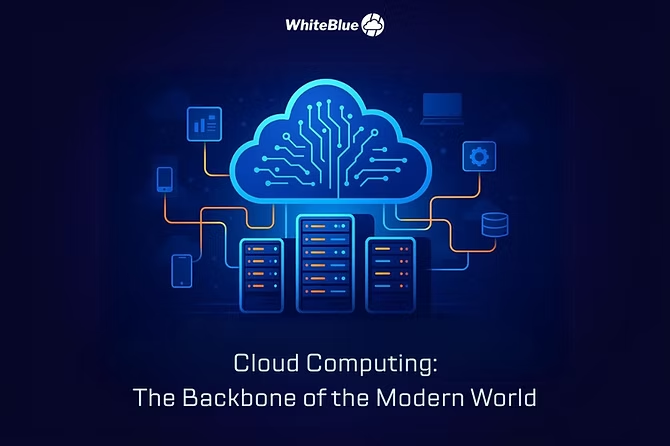
Technology in 2026 is not just evolving — it is restructuring industries, redefining jobs, and reshaping how businesses compete. From AI trends 2026 to the Web3 future 2026, organizations that adapt early will gain measurable advantages in productivity, cost efficiency, and innovation.
This guide breaks down real developments, real challenges, and practical insights so you can make informed decisions — whether you are a business leader, tech professional, investor, or digital entrepreneur.
Artificial intelligence has moved from experimentation to infrastructure. The future of artificial intelligence now centers on automation, decision intelligence, and embedded AI systems inside everyday platforms.
In 2026, AI no longer acts as a separate tool. It integrates directly into CRMs, supply chains, HR platforms, and consumer apps. Businesses use AI automation trends to reduce operational costs while improving speed and accuracy.
However, rapid expansion also brings risks — including misinformation, job shifts, and regulatory pressure.
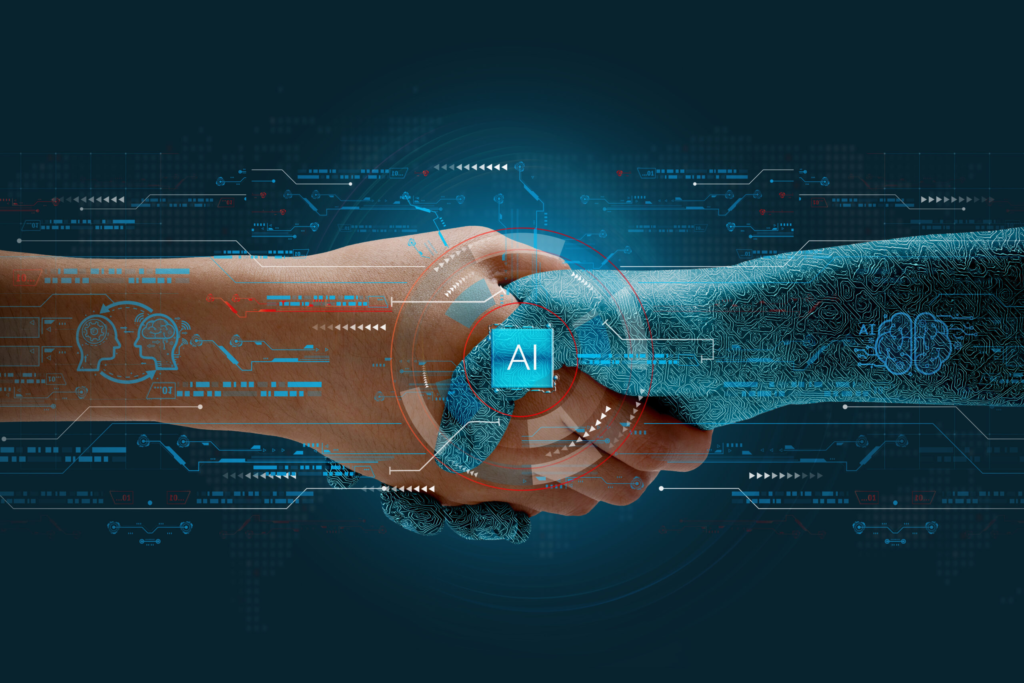
Generative AI tools 2026 now power marketing campaigns, software development, financial forecasting, and even product design.
How AI tools reduce operational costs:
Retail and eCommerce brands integrate AI into pricing and product recommendations. Platforms similar to CouponNvoucher and DealsProvide increasingly rely on AI to personalize discounts and optimize user targeting. This reduces manual workload and increases conversion rates.
Real-world use cases:
The internet now floods with AI-generated material. Low-quality automated content harms brand credibility and SEO rankings. Google prioritizes experience and trust signals, so brands must combine AI efficiency with human oversight to maintain E.E.A.T. standards.
AI automation is no longer limited to enterprises. Small businesses now deploy AI-powered workflow systems to manage inventory, payroll, customer engagement, and analytics.
Key developments:
Large enterprises integrate AI across departments for unified data intelligence.
The Problem: Job Displacement & Workforce Reskilling
AI replaces repetitive administrative roles. However, it simultaneously creates demand for:
Organizations must invest in employee reskilling programs instead of workforce reduction. Businesses that balance automation with human expertise will sustain long-term growth.
AI now operates invisibly in daily routines.
AI-powered personal assistants manage schedules, control smart devices, and monitor health patterns.
Healthcare innovations:
Education transformation:
AI systems collect vast personal data. Misuse or breaches can damage trust. Governments tighten compliance rules, and consumers demand transparency. Companies must adopt ethical AI frameworks and secure infrastructure.
The Web3 future 2026 focuses less on speculation and more on utility. Blockchain projects now target transparency, digital identity, and financial inclusion.
Blockchain use cases 2026 extend into multiple industries:
Retail ecosystems such as RetialHub experiment with blockchain-backed verification to increase trust in discount and promotional platforms.
Blockchain networks still face performance limits and high energy demand. Developers are shifting to energy-efficient consensus models to address these concerns.
Decentralized finance trends show maturity rather than hype.
Key growth areas:
DeFi platforms remain vulnerable to code exploits. Investors must verify audits and platform credibility before participation.
Governments now enforce clearer crypto frameworks.
Developments include:
Regulation reduces fraud but challenges startups. Companies must balance innovation with compliance to survive long term.
As AI improves defense systems, cybercriminals also leverage AI for attacks. Cybersecurity trends 2026 emphasize predictive threat detection and zero trust architecture.
AI now detects anomalies in real time. Systems identify suspicious login patterns, malware behavior, and phishing attempts instantly.
Rising threats:
Organizations that rely solely on traditional antivirus software face high risks.
The zero trust security model assumes no user or device is automatically trusted.
Core components:
The Problem: Implementation Complexity
Transitioning to zero trust requires infrastructure upgrades and employee training.
Global regulations tighten data handling rules.
Challenges include:
Companies operating internationally must adopt unified compliance frameworks.
Quantum computing progress 2026 signals experimentation rather than full disruption. While quantum systems outperform classical computers in specific tasks, scalability remains limited.
Quantum machines may eventually break traditional encryption algorithms.
Developments:
The Problem: Security Risks Before Full Readiness
Organizations must prepare early without overinvesting in immature systems.
Large corporations lead quantum experimentation, but mass adoption remains years away.
AR and VR Trends 2026: The Metaverse Evolution
AR and VR trends 2026 show gradual enterprise growth rather than consumer explosion.
Enterprises now use immersive environments for:
The Problem: Hardware Costs & User Adoption
High device costs slow mainstream growth. Businesses adopt VR for targeted use cases instead of mass deployment.
AR improves customer and student experiences:
Retail content platforms like RetailsReview integrate AR previews to enhance shopping decisions and build consumer trust.
Digital Transformation Trends 2026: How Businesses Are Adapting
Digital transformation trends 2026 focus on integration, not experimentation. Businesses prioritize efficiency, security, and scalability.
Companies adopt:
The Problem: Cloud Cost Optimization
Unmanaged cloud environments increase expenses. Businesses now deploy AI-driven cost monitoring tools to reduce waste.
Remote work evolves with smarter collaboration systems.
Innovations include:
Platforms similar to CouponNvoucher and DealsProvide increasingly rely on distributed teams supported by automation and cloud-based collaboration systems.
The Problem: Employee Burnout & Digital Overload
Always-on digital culture increases stress. Companies must implement balanced productivity strategies.
What is the biggest technology trend in 2026?
Artificial intelligence remains the dominant force. AI automation and embedded intelligence systems impact nearly every industry.
How will AI impact jobs in 2026?
AI will replace repetitive roles but create high-demand positions in AI supervision, cybersecurity, and data science.
Is Web3 still relevant in 2026?
Yes. Web3 evolves beyond speculation into practical use cases like digital identity and decentralized finance.
What industries will benefit most from AI in 2026?
Healthcare, finance, retail, cybersecurity, and logistics show the strongest measurable gains.
The future of technology in 2026 is not about hype. It is about integration, responsibility, and measurable value. Businesses that combine AI efficiency, cybersecurity resilience, and strategic digital transformation will lead their markets.
Adoption without strategy creates risk. Strategic implementation with compliance, ethical standards, and workforce training builds sustainable growth.
The shift has already begun. The decision now is not whether to adapt — but how intelligently you do it.